
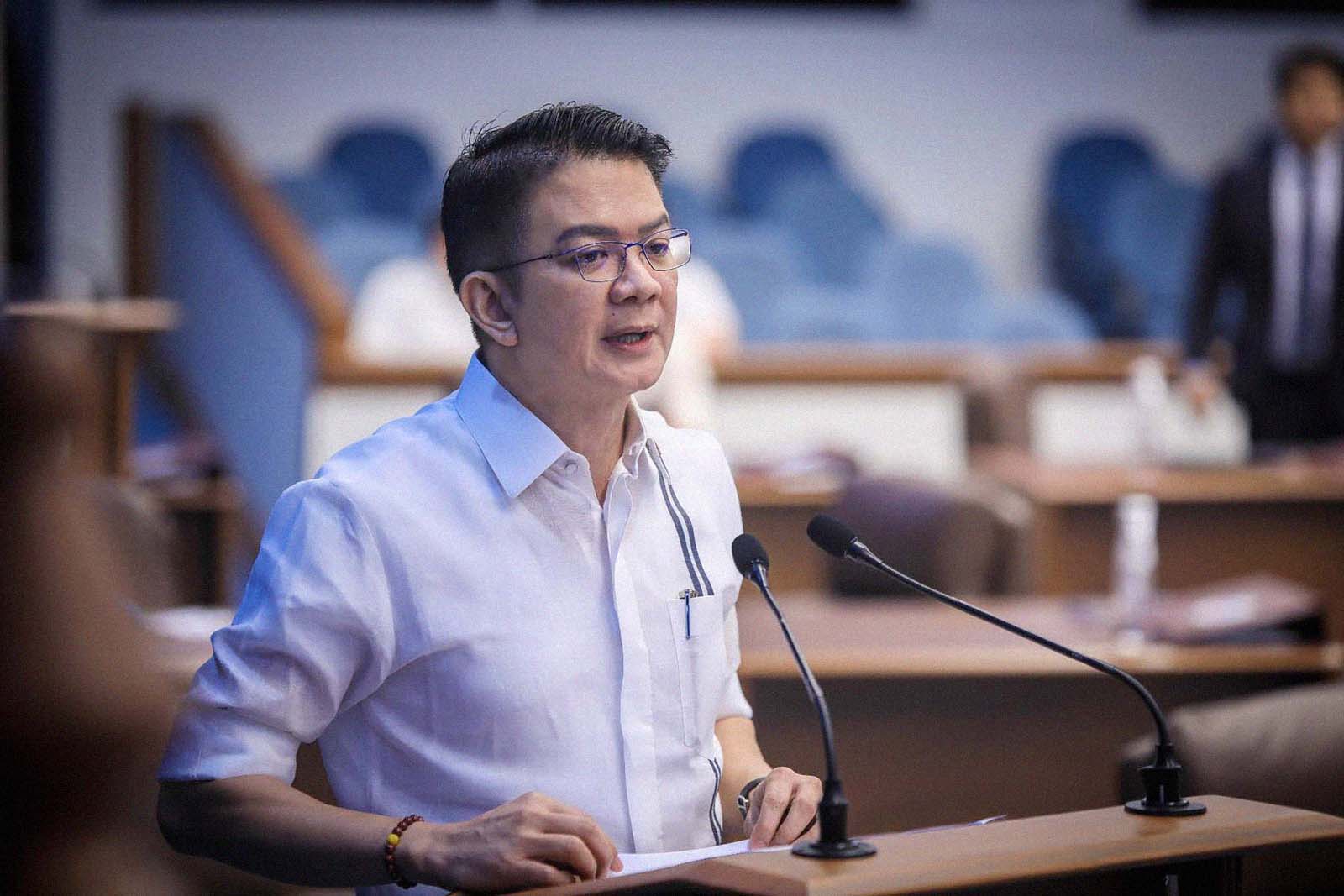
Sen. Francis “Chiz” Escudero steered the passage on second reading the bill condoning the housing loan obligations of disaster-stricken families, relieving more than P9.5 billion in unpaid housing loans.
Dubbed as the Residential Emancipation for Calamity Survivors Act, Senate Bill No. 2508 aims to relieve disaster‑stricken families of their housing loan obligations under the Assistance Program for Calamity Victims of the National Housing Authority (NHA), according to Escudero who chairs the Senate Committee on Urban Planning, Housing and Resettlement.
“Ang pinsala ng kalamidad ay hindi lamang sa bahay at ari‑arian. Madalas, pati kabuhayan at kakayahang magbayad ng isang pamilya ay sinasalanta,” he said.
The measure fully condones outstanding housing obligations—principal amount, unpaid amortizations, interest, penalties, and surcharges— and orders the issuance of Certificates of Condonation that will release all mortgages on affected units.
The Department of Human Settlements and Urban Development (DHSUD) and NHA are mandated to submit to Congress a detailed list of all condoned loans within two years under the bill.
“These amount to approximately P9.55 billion in housing obligations that will be written off,” Escudero said.
The veteran legislator also highlighted provisions restoring rights to beneficiaries whose units were forfeited solely due to non‑payment and sought the dismissal and reversal of pending administrative forfeiture cases and cancelled awards or evicted families, respectively.
SB 2508, passed on Second Reading last September 30, further mandates the Registry of Deeds to issue and register titles for qualified beneficiaries within 60 days from the release of the Certificate of Condonation. Housing units covered by the measure will also be excluded from estate tax, with local governments encouraged to grant amnesty on real property and transfer taxes.
Escudero said the measure recognizes that government cannot restore everything families lose during disasters, but it can remove burdens that hinder recovery.
“Hindi natin maibabalik ang mga nawala sa kanila sa panahon ng kalamidad. Ngunit maaari nating pagaanin ang kanilang pasanin habang sila ay muling bumabangon,” he stressed. “Sa panukalang ito, ang pabahay na ibinigay bilang tulong ay hindi na magiging utang na kailangang bayaran, kundi tahanang tunay na magiging kanila.”